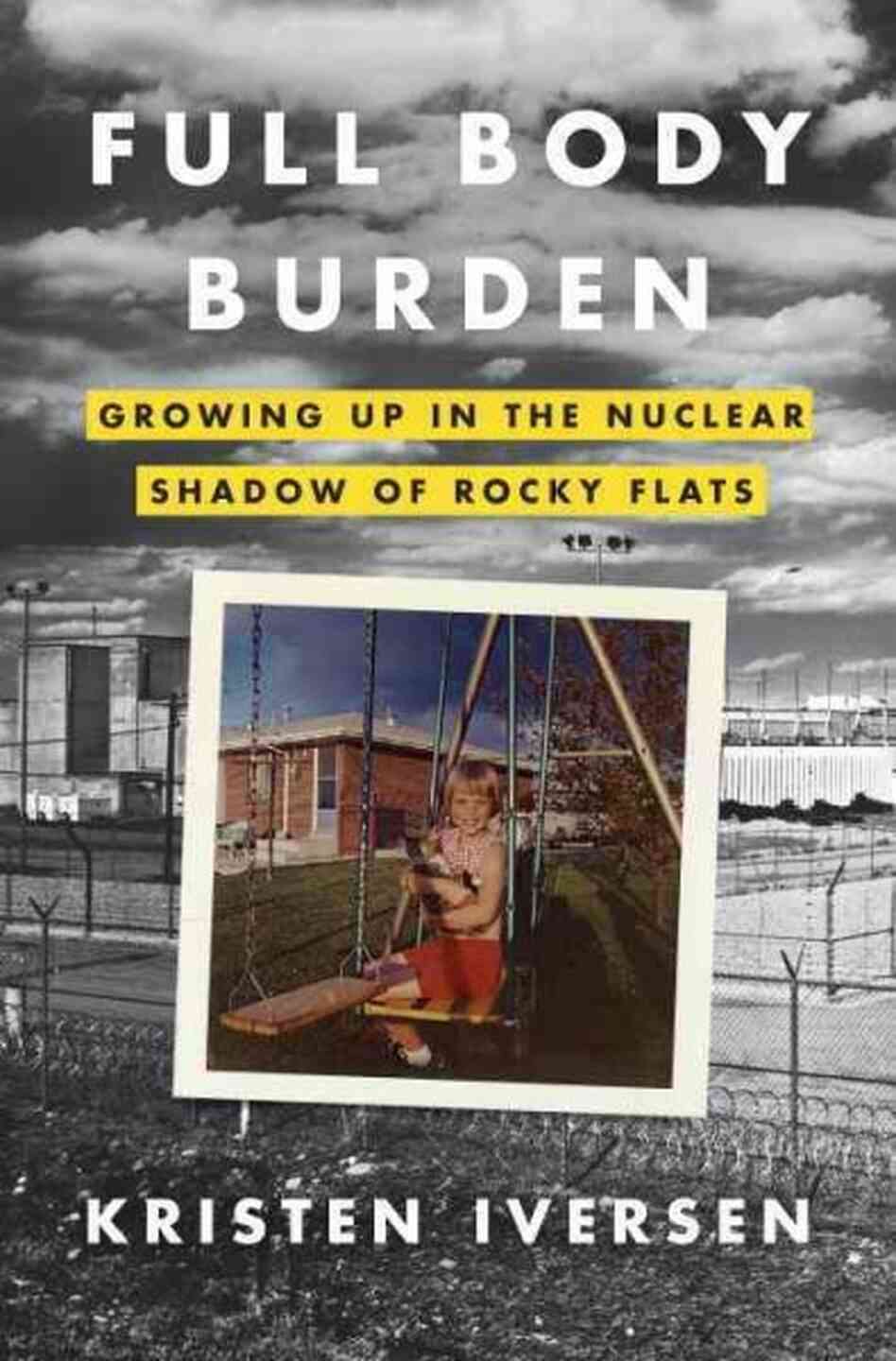
Her family lived in a country neighborhood where they owned horses, dogs, and various other creatures. Her mother stayed home, her father owned his own law practice. Down the road was a factory that purportedly produced cleaning products.
But that was only the surface. Underneath is a much more harrowing story. Kristen's dad was an alcoholic, their finances were in disarray, and her mother struggled with bouts of depression. And the plant? It made bombs. Nuclear bombs.
To be specific, the plant down the road made plutonium pits, the core of a nuclear bomb. The area residents had no idea that two fires - one in 1957 and one in 1969 - released significant amounts of plutonium into the air. The second fire nearly led to a major nuclear accident; but for a small stroke of luck Denver would have experienced a nuclear disaster on the scale of Chernobyl. The newspaper story was buried deep on page 23.
Residents also did not realize that the local water sources were contaminated with plutonium run-off. Radioactive waste stored in rusty and leaking barrels at the back of the plant ran into the creek which fed the nearby lake where neighborhood children swam. The plant's incinerator also illegally burned plutonium waste while families inhaled it downwind. Plutonium got lodged in their lungs and local children began dying of cancer.
Yet none of this was made public. Employees were required to maintain confidentiality - in the interest of national security of course! Whistleblowers lost their jobs and environmental protesters were jailed. Finally, in 1990 the government listened. The FBI raided the plant and uncovered a litany of incriminating evidence documenting years of mismanagement and 3000 pounds of "missing" plutonium - plutonium that can be found in the sediment, soil, and animals surrounding Rocky Flats. In 1992 a Grand Jury indicted the contractor with criminal charges. However, they got off easy with a plea bargain. A few years later residents of the area tried to collect damages in a class-action lawsuit. Research had shown that one-millionth of a gram of plutonium can put a person at high risk for cancer, and medical doctors ran studies in which they found significant levels of plutonium in the bodies of those who lived near Rocky Flats. However, the claimants lost in an appeal. They appeals court said they could not prove a direct connection between the nearby nuclear weapons plant and the residents' deteriorating health.
Today Rocky Flats is a wildlife refuge. The Forest and Wildlife Service's website says nothing about plutonium's 24,000 year half-life (meaning that it'll be 240,000 years before the plutonium manufactured in the 1940s is gone.) The website does say that they monitor the soil and a water to promote optimal growth for plant life and managements of the animal populations. However the controversially haphazard cleanup of the 1990s failed to remove much of the plutonium that escaped from the plant in its 30+ years of operation. Today, a burrowing animal can kick it up into the air, a deer walking into a pond or creek can bring plutonium-laced sediment to the surface, and any wildlife that comes into contact with plutonium particles can carry them afar. As a result hikers, bikers, and schoolchildren get to bring home a little souvenir from the Cold War (to be fair, the DOE claims it's not enough to pose a significant health risk).
Iversen's book comes with extensive footnotes that include court documents, interviews, scientific studies, medical reports, and news releases. However, just to make sure that I wasn't embarking down the road of anti-government conspiracy theory, I did my own research externally. A brief round of fact-checking confirmed much of what I'd read, though there are disputes as to how much plutonium can cause a significant health risk. Regardless, I found no significant rebuttals to Iversen's research, only numerous awards and accolades associated Full Body Burden.
So, if you don't really think this book is up your alley, that's fine. However, if you are ever in the Denver area stay on the safe side and avoid the Rocky Flats National Wildlife Refuge!
To hear an NPR interview with Kristen Iversen, click here

No comments:
Post a Comment